Preparing for a PET CT scan can raise several questions. Can you eat before the scan? Is drinking water allowed? Should you continue your regular medicines? And what happens during the procedure?
PET CT scan preparation is important because certain foods, blood sugar levels, medications and physical activities can affect how the images are obtained and interpreted.
A Positron Emission Tomography–Computed Tomography (PET-CT) scan combines two imaging techniques to provide information about metabolic activity and the structure of tissues and organs. Doctors may recommend it for selected cancer evaluations, treatment planning, monitoring treatment response or investigating suspected recurrence.
If you have been advised to undergo a PET CT scan in Navi Mumbai, understanding the preparation process can help you arrive informed and ready for the examination.
Important: The following instructions primarily apply to a standard FDG PET-CT scan. Preparation may differ for PSMA, DOTA-based and other specialised PET scans. Always follow the instructions provided by your imaging centre.
Quick Answer: How Do You Prepare for a PET CT Scan?
For a routine FDG PET-CT scan, patients are generally advised to:
- Fast for approximately 4–6 hours before the tracer injection, as instructed.
- Drink plain water unless medically restricted.
- Avoid sugary drinks, tea, coffee and food during fasting.
- Avoid strenuous exercise, preferably for 24 hours beforehand.
- Inform the medical team about diabetes, medications, pregnancy or breastfeeding.
- Carry previous medical reports, prescriptions and imaging results.
- Wear comfortable clothing without unnecessary metal accessories.
These precautions help the imaging team obtain clinically useful images.
Why Is PET CT Scan Preparation Important?
PET-CT scans commonly use a small amount of radioactive tracer called fluorodeoxyglucose (FDG). This tracer behaves similarly to glucose and helps identify areas of increased metabolic activity.
Certain cancer cells may show increased FDG uptake, but inflammation, infection and normal body processes can also cause uptake. Therefore, PET-CT findings must be interpreted alongside the patient's medical history and other investigations.
Eating before an FDG scan may increase blood glucose and insulin levels, potentially affecting tracer distribution. Similarly, intense physical activity can increase uptake in muscles.
Following preparation instructions helps reduce avoidable factors that may interfere with image interpretation.
What to Eat Before a PET CT Scan?
Dietary instructions depend on the tracer used, the patient's medical condition and the imaging protocol.
1. The Day Before Your Scan
For a standard FDG PET-CT scan, patients can generally eat their usual meals unless the imaging centre recommends a specific diet.
A light, balanced meal may include:
- Vegetables and dal
- Eggs, paneer or other suitable protein sources
- A moderate portion of roti or rice, according to the centre's instructions
- Plain water
Some specialised PET-CT protocols require different dietary preparation. Do not follow a restrictive or low-carbohydrate diet unless specifically instructed.
2. During the Fasting Period
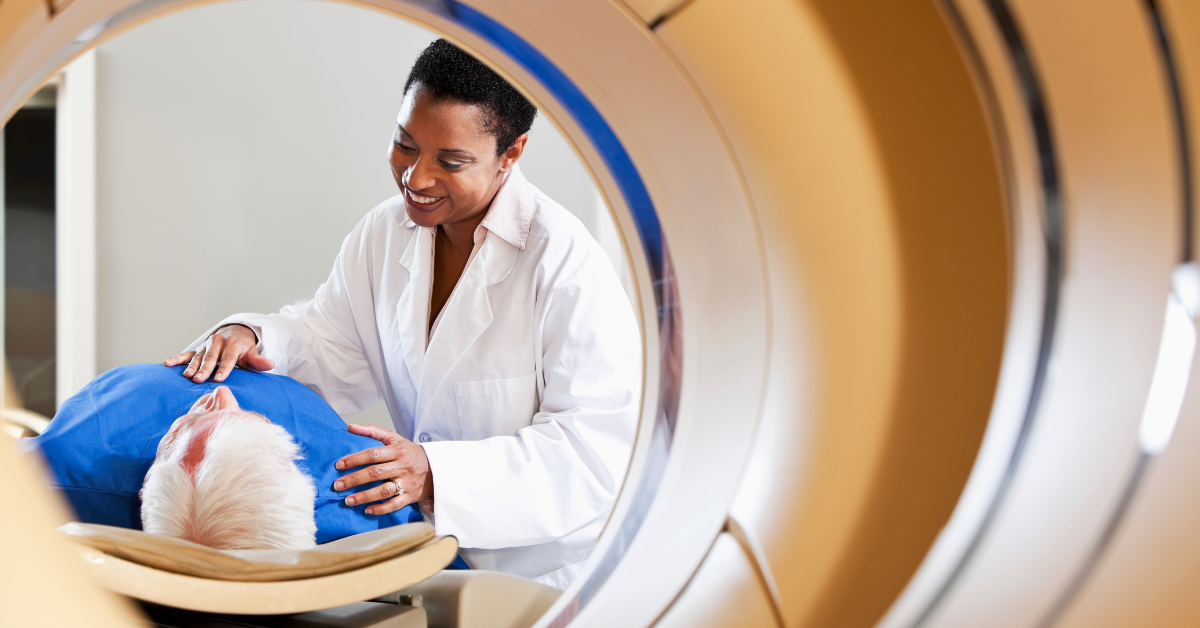
Most patients undergoing FDG PET-CT need to avoid food for approximately 4–6 hours before the radioactive tracer is administered.
During this period, plain water is generally permitted and encouraged, unless you have a medical reason to restrict fluids.
Do not consume food, milk, fruit juice or sweetened drinks during the fasting period.
If you accidentally eat or drink something other than water, inform the imaging centre before your appointment.
What Should You Avoid Before a PET CT Scan?
Certain activities and substances may influence FDG uptake or interfere with the preparation protocol.
Sugary Foods and Beverages
Avoid sweets, biscuits, fruit juice, soft drinks and other calorie-containing foods or beverages during the prescribed fasting period.
Tea, Coffee and Milk
Avoid tea, coffee, milk and flavoured beverages while fasting. Even drinks without added sugar may not be suitable for the preparation protocol.
Strenuous Physical Activity
Avoid gym workouts, running, heavy exercise and strenuous sports, preferably for 24 hours before an FDG PET-CT scan.
Intense muscle activity may increase FDG uptake in skeletal muscles, potentially complicating interpretation.
Alcohol and Smoking
Avoid alcohol before the examination as advised by your imaging centre. Inform the medical team about smoking or nicotine use and follow its specific instructions.
Chewing Gum
Avoid chewing gum during the fasting period, including sugar-free gum, unless the imaging team specifically permits it.
Can You Take Medicines Before a PET CT Scan?
Many regular medicines can be continued, but some require special instructions.
Inform the imaging centre about all medicines you take, particularly:
- Insulin and other diabetes medicines
- Steroids
- Medicines affecting blood glucose
- Recent chemotherapy or other cancer treatments
- Medicines requiring food
- Any medication relevant to contrast-enhanced CT
Do not independently stop, delay or change prescribed medication.
Your treating doctor or nuclear medicine team will advise whether any adjustments are necessary.
PET CT Scan Preparation for Diabetic Patients
Patients with diabetes may need individualised preparation because FDG PET imaging is affected by blood glucose and insulin activity.
High blood glucose or recently administered insulin can influence how the tracer is distributed in the body.
If you have diabetes:
- Inform the imaging centre when scheduling your appointment.
- Share details of your insulin, tablets and usual meal timings.
- Ask whether an early morning appointment is suitable.
- Follow the personalised fasting and medication instructions.
- Bring your glucose-monitoring equipment if advised.
Blood glucose is generally checked before FDG administration.
Never skip insulin or diabetes medicines without medical advice. Incorrect medication adjustments during fasting can cause hypoglycaemia or hyperglycaemia.
If your glucose level is outside the centre's acceptable range, the medical team will determine whether the scan can proceed or needs to be rescheduled.
What Happens During a PET CT Scan?
Understanding the procedure can help reduce uncertainty before your appointment.
-
Step 1: Registration and Medical History
The imaging team reviews your prescription, medical history, previous investigations and relevant health conditions.
For an FDG scan, blood glucose may also be checked.
-
Step 2: Radioactive Tracer Injection
A small amount of radioactive tracer is administered, usually through a vein in the arm.
You may feel a brief needle prick, similar to a routine blood test.
-
Step 3: Resting Period
After tracer administration, patients undergoing a routine FDG PET-CT generally rest quietly for approximately 45–60 minutes, although the exact period may vary.
During this time, avoid unnecessary movement, exercise and prolonged conversation as instructed.
-
Step 4: PET CT Imaging
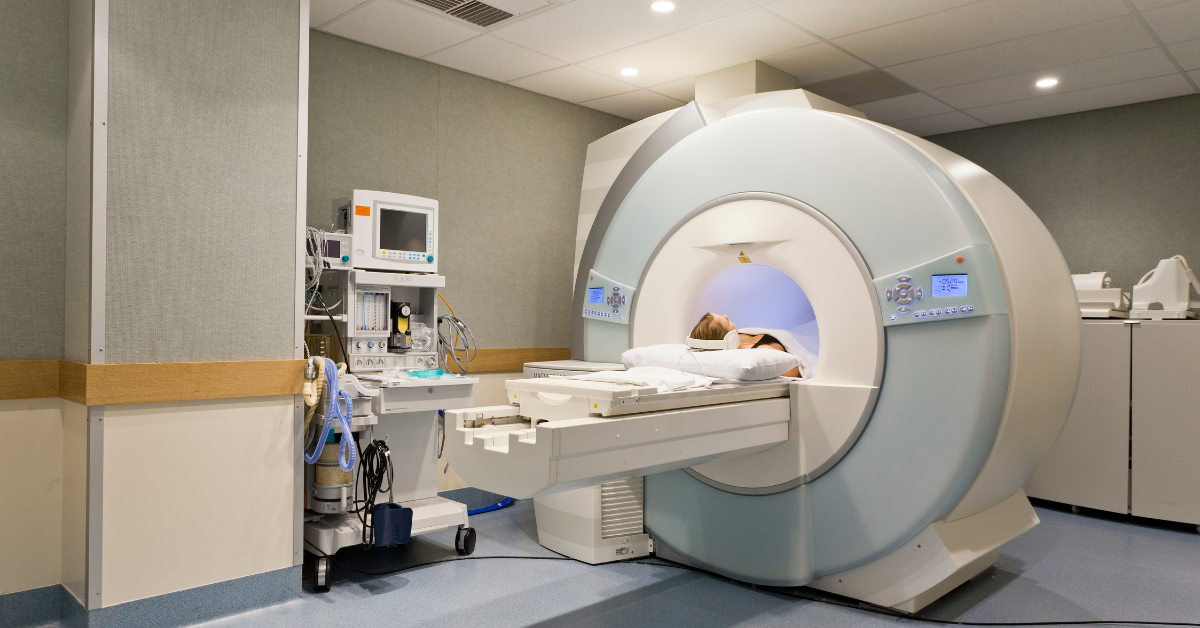
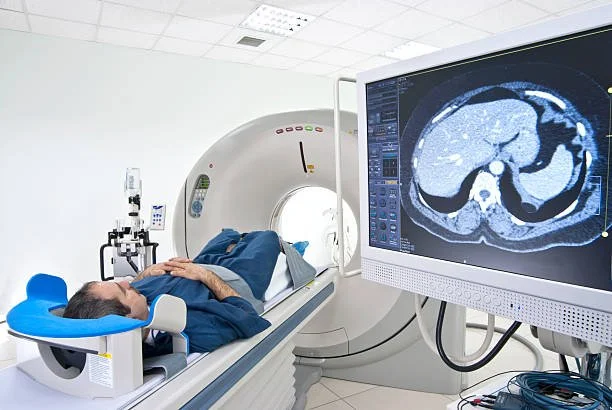
You will lie on a scanning table that moves through the PET-CT scanner.
The imaging team may ask you to remain still or briefly hold your breath during certain parts of the examination.
The imaging itself commonly takes approximately 10–45 minutes, depending on the protocol and body regions examined.
-
Step 5: Completion and Discharge
After the scan, the medical team will explain any immediate precautions and inform you about the report process.
Additional or delayed images may occasionally be required.
How Long Does the Entire PET CT Scan Process Take?
Although the actual imaging may take less than an hour, the complete appointment usually takes longer.
Patients should generally allow approximately 2–3 hours, sometimes more, for registration, preparation, tracer administration, uptake time and imaging.
The exact duration depends on the type of PET-CT scan, imaging protocol and whether additional images are needed.
What Should You Bring for Your PET CT Scan?
Before leaving home, check that you have the necessary documents.
- Doctor's prescription or referral
- Previous PET-CT, CT, MRI or ultrasound reports
- Relevant biopsy or histopathology reports
- Recent blood test results, if requested
- Current medication list
- Previous cancer treatment records, where applicable
- Identification and appointment details
If contrast-enhanced CT is planned, the centre may request recent kidney function tests or additional medical information.
What to Expect After a PET CT Scan
Most patients can return to their usual activities after a routine PET-CT scan, unless sedation, contrast-related precautions or their medical condition requires otherwise.
Drink Water
Drinking fluids and passing urine regularly can help the body eliminate the radioactive tracer.
Patients with fluid restrictions should follow their doctor's advice.
Follow Radiation Safety Instructions
The tracer loses radioactivity over time and is eliminated from the body.
Your imaging centre may advise temporary precautions around pregnant individuals and young children. Follow the specific instructions provided after your scan.
Resume Meals and Medicines
Most patients can eat after the examination and resume their usual routine as advised.
If you have diabetes or underwent sedation, follow the individualised instructions given by the medical team.
Collect and Discuss Your Report
A nuclear medicine specialist interprets the images in the context of your clinical information.
Do not interpret PET-CT findings independently. Increased tracer uptake does not always indicate cancer, and a normal scan cannot exclude every disease.
Does Preparation Differ for FDG, PSMA and DOTA PET CT Scans?
Yes. Not every PET-CT scan requires identical preparation.
| PET-CT Type | Common Clinical Application | Preparation Considerations |
|---|---|---|
| FDG PET-CT | Selected cancer evaluations and treatment monitoring | Usually requires fasting and blood glucose assessment |
| PSMA PET-CT | Prostate cancer imaging | Fasting requirements vary by protocol and tracer |
| DOTA-based PET-CT | Selected neuroendocrine tumour evaluations | Preparation may depend on tracer and medications, including somatostatin analogues |
Patients should confirm the exact tracer and preparation instructions before their appointment.
Frequently Asked Questions About PET CT Scan Preparation
1. Can I drink water before a PET CT scan?
Yes. Plain water is generally allowed before a routine FDG PET-CT scan. However, patients with fluid restrictions or special imaging requirements should follow their medical team's instructions.
2. How many hours of fasting are required before a PET CT scan?
For a standard FDG PET-CT scan, fasting is generally required for 4–6 hours before tracer administration. Other PET tracers may have different preparation requirements.
3. Can I eat breakfast before a PET CT scan?
It depends on your appointment time and the scan protocol. For an afternoon FDG scan, a light breakfast may be permitted if the required fasting interval is maintained. Confirm this with the imaging centre.
4. Can diabetic patients undergo a PET CT scan?
Yes. Patients with diabetes can undergo PET-CT imaging, but fasting, medication timing and blood glucose management may need individual planning.
5. Is a PET CT scan painful?
The imaging procedure itself is generally painless. Some patients experience brief discomfort during tracer injection or while remaining in one position.
6. Can I take my regular medicines before a PET CT scan?
Many medicines can be continued, but diabetes medicines and certain other treatments may require adjustments. Confirm medication instructions with your treating doctor or imaging team.
7. Can I drive home after a PET CT scan?
Most patients can drive after a routine PET-CT scan. However, you should not drive if you have received sedation or medicines that impair alertness.
8. What happens if I accidentally eat before my PET CT scan?
Inform the imaging centre immediately. Depending on what you consumed, when you ate and the tracer being used, the appointment may need to be delayed or rescheduled.
Conclusion
Proper PET CT scan preparation is an important part of obtaining clinically useful imaging results. Understanding fasting requirements, dietary precautions, medication instructions and the scanning process can help patients prepare appropriately.
Because preparation differs between FDG, PSMA, DOTA-based and other PET-CT examinations, always follow the instructions provided by your nuclear medicine team.
If your doctor has recommended a PET CT scan in Navi Mumbai, confirm the type of scan, required preparation and documents with the imaging centre before your appointment.
Before your visit, you can check the PET CT scan cost in Navi Mumbai, learn more about our centre, read patient testimonials or contact us with any questions.
Need information about PET-CT scan preparation?
Contact the imaging centre or consult your referring doctor for instructions specific to your examination.
Medical Disclaimer: This article is intended for general patient education and does not replace medical advice. PET-CT protocols and preparation requirements vary according to the tracer, clinical indication and individual health conditions. The content should be reviewed by a qualified nuclear medicine physician before publication.